Play and Destruction
A recommended reading list on toys, the atomic bomb, and the unlikely intersection of the two
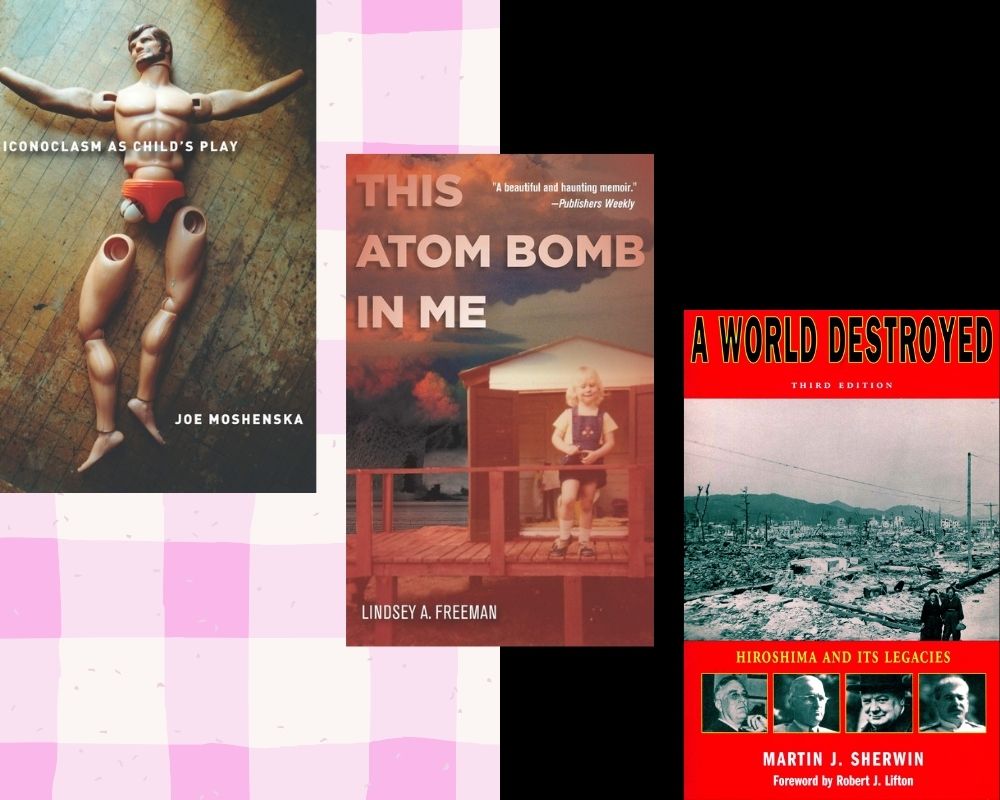
Continuously in demand since its first, prize-winning edition was published in 1975, this is the classic history of the development of the American atomic bomb, the decision to use it against Japan, and the origins of U.S. atomic diplomacy toward the Soviet Union.
In his Preface to this new edition, the author describes and evaluates the lengthening trail of new evidence that has come to light concerning these often emotionally debated subjects. The author also invokes his experience as a historical advisor to the controversial, aborted 1995 Enola Gay exhibit at the National Air and Space Museum of the Smithsonian Institution. This leads him to analyze the impact on American democracy of one of the most insidious of the legacies of Hiroshima: the political control of historical interpretation.
This Atom Bomb in Me traces what it felt like to grow up suffused with American nuclear culture in and around the atomic city of Oak Ridge, Tennessee. As a secret city during the Manhattan Project, Oak Ridge enriched the uranium that powered Little Boy, the bomb that destroyed Hiroshima. The city was a major nuclear production site throughout the Cold War, adding something to each and every bomb in the United States arsenal. Even today, Oak Ridge contains the world's largest supply of fissionable uranium.
The granddaughter of an atomic courier, Lindsey A. Freeman turns a critical yet nostalgic eye to the place where her family was sent as part of a covert government plan. Theirs was a city devoted to nuclear science within a larger America obsessed with its nuclear prowess. Through memories, mysterious photographs, and uncanny childhood toys, she shows how Reagan-era politics and nuclear culture irradiated the late twentieth century. Alternately tender and alarming, her book takes a Geiger counter to recent history, reading the half-life of the atomic past as it resonates in our tense nuclear present.


