Climbing the Culinary Ladder
Being a chef is hard work—why do they do it? Love of the sport.
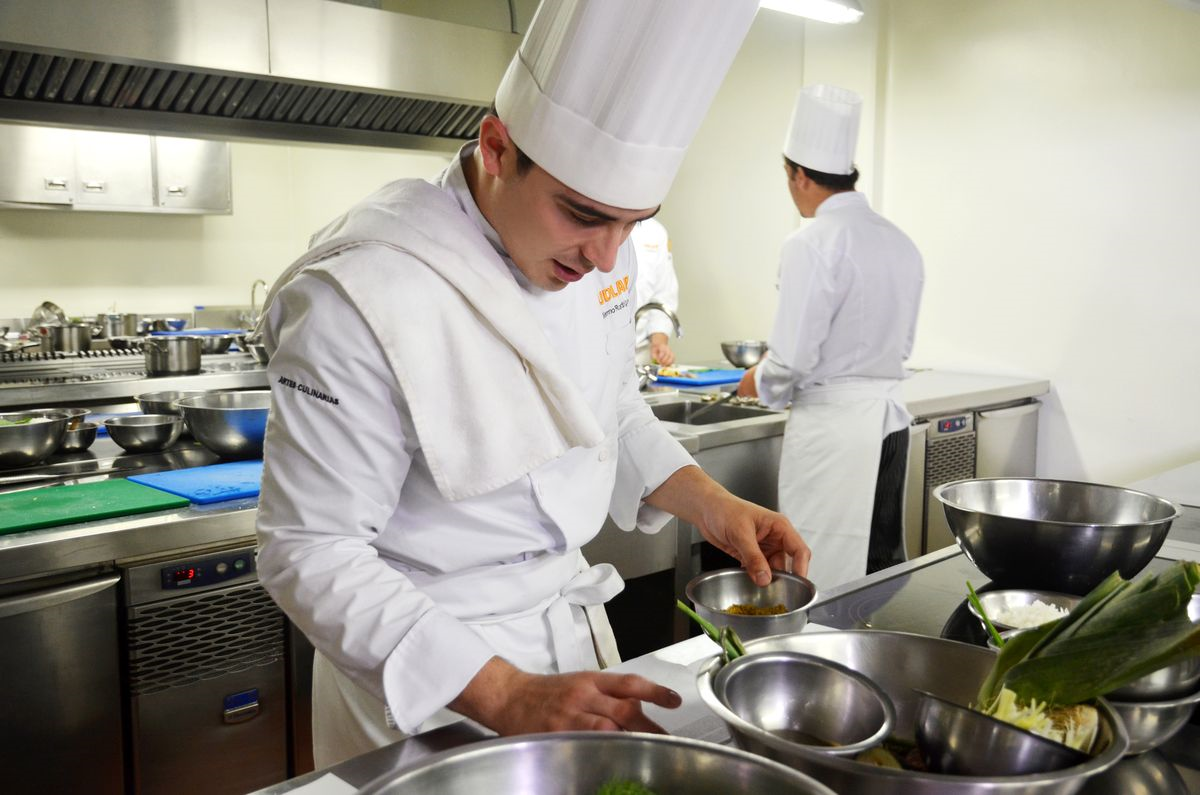
Full of bravado, arrogant, inaccessible. This was the image I had of elite chefs before beginning my research project in restaurants in New York City and San Francisco. I expected chefs at the country’s top restaurants to boast about their creativity and innovation, about the complexity and artistry of their dishes. But I heard little of this. Few chefs emphasized their creativity, most did not mention it, and many rejected any notion that their food should be considered innovative or creative. What they did emphasize was simplicity.
Chefs understand their food from a different perspective.
To explain these chefs’ responses, I had to understand the values that truly matter in professional cooking. Professional restaurant critics (as well as food writers, bloggers, or yelpers) often highlight creativity and innovation. Through content analysis of New York Times and San Francisco Chronicle restaurant reviews, I found that a critic who perceives a restaurant to be innovative is likely to give a more positive review (all other things being equal). However, chefs understand their food from a different perspective, that of the practitioner, and place a high value on what is really at the core of their craft—not “wowing” customers and critics with innovative flourishes, but making good food with good flavor.
I did my fieldwork in the mid 2000s, which is ancient history in the culinary world. The cycles of culinary fads and fashions are rapid, and the past few years have seen dramatic changes, most notably the phenomenon of the celebrity chef. The recent explosion of media attention to chefs has turned cooking into a glamorous occupation, a radical transformation for a job that was considered blue collar not so long ago. The chefs I interviewed began their careers before the Food Network, reality show cooking competitions, and celebrity chef guest appearances. (I interviewed a renowned chef who said that his father even threatened to disinherit him when he announced he wanted to be a chef.) Most chefs certainly did not choose the occupation due to any desire for fame or glamour.
Neither did they choose the occupation with much of an idea of what the job was like. Unlike, say, medical professionals, teachers, or people in the service sector, the culinary profession is not one that most people come into contact with in their everyday lives. While contemporary restaurant design trends have turned kitchens into open-space spectacles, chefs have traditionally been sequestered in kitchens out of reach and sight of diners. But even today looks can be deceiving: people can observe the front stage (as Goffman would call it) of the restaurant kitchen, which is the most exciting part of the occupation, with its high-energy, focused, and fast-paced work and camaraderie. What remains hidden backstage are the highly repetitive and tedious tasks, the long hours, the bad physical conditions, or the stressful and competitive environment.
The recent rise in popularity of food trucks, artisanal food markets, and pop-up events—what could be called the informal organizational side of the culinary world—is yet another new phenomenon influencing chefs. Instead of going through years of apprenticeship, slowly moving up the occupational ladder, some chefs now manage to skip many of these rungs to get to the top position in a kitchen. Success with a food truck, market stand, or pop-up can bring a chef quick renown, and with it the financial backing chefs need to launch new restaurants. While this has not become a widespread path towards becoming a chef, it nonetheless contributes to a change in the perception of the culinary profession, making success appear more easily attainable and the work and occupational training seem less onerous. To those of us on the outside, it all makes the profession seem even more glamorous.

By and large, though, it still takes years of hard work and low pay to become a chef. Being a chef does not necessarily bring with it fame or glamour. Most chefs continue to work long hours in stressful environments for years on end. They spend most of their time managing the business, overseeing the kitchen and service staff, and dealing with purveyors, public relations, and media professionals and with financial backers. Even when they are in the kitchen, they rarely cook but instead supervise the staff who do the actual cooking. None of these are desirable work conditions for chefs. Indeed, chefs often wish they had more time to do what actually drove them to the occupation (or what made them decide to stay in it after they somehow, as they told me, just “fell into it”), which is the love of cooking.
If chefs stay on the job despite its work conditions, it is largely because they are invested in the craft of cooking, in making food with good flavor, in “simple” dishes that satisfy the palate. Though their schedules leave them with little time to cook and even less time to design new dishes, these are the tasks that constitute chefs’ identities. There is no doubt that the culinary profession has undergone significant changes, and the expectations of new culinary professionals are different now. But to the extent that the day-to-day work of a chef cannot change too much, it is sensible to think that a strong commitment to the craft is still necessary to keep people in the culinary profession, regardless of whatever initial motivations drove them to it.


