Heterodox Economics: A Blog Series
Markets are too important to leave to economists alone.
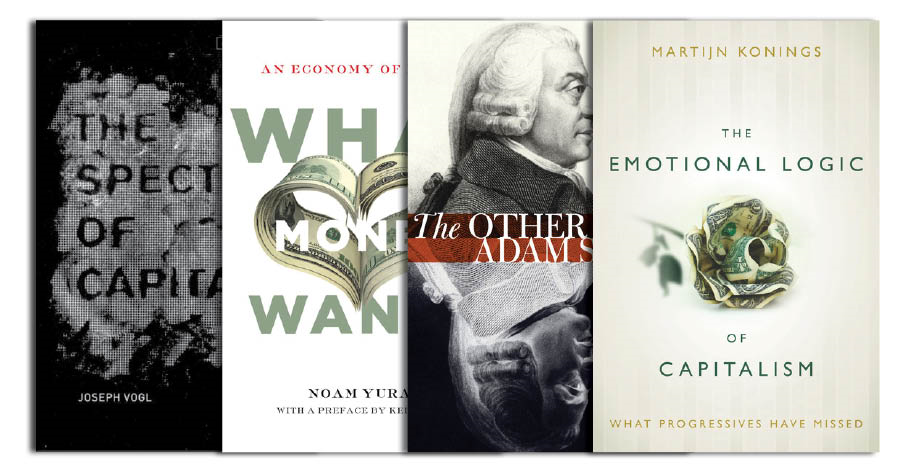
Economics structure human society so thoroughly and so profoundly that, just as it cannot be expected to remain the sole purview of mainstream economists, it cannot but benefit from an interdisciplinary approach. The tumult of boom-and-busts, the global reach of today’s markets, the inequitable distribution of the economy’s fruits, the increasingly dizzying financial maneuvers that speculate on and simultaneously manufacture our realities, have all coalesced—along with many other pertinent questions—into an increasing demand for a more pluralistic view of this enigma we call “the economy.”
In response, a tide of academics is rising to offer fresh analyses of the questions raised by contemporary economic theory and its manifestations. Political scientists, media critics, literature scholars, philosophy professors, ethicists, and other intellectuals are all bringing to the table unique and unconventional insights into the prevailing mantras of the mainstream schools of capitalism and economic liberalism. Their voices offer alternative views on money, markets, and finance and their impact on society.
With the publication of four recent titles—The Emotional Logic of Capitalism by Martijn Konings, The Other Adam Smith by Mike Hill and Warren Montag, The Specter of Capital by Joseph Vogl, and What Money Wants by Noam Yuran—this heterodox approach to economics has become a new focus of the Press’s philosophy and critical theory lists. What follows is a conversation amongst the authors of these books as well as two honorary contributors, our panel host, political economist Amin Samman, and literary scholar Paul Crosthwaite. Together, they interrogate the claims, character, and origins of economic theory as we understand it today.

Monday
On the magical underpinnings of our ostensibly rational economies.

Tuesday
Modern money and finance is held together by faith, magic, and belief.

Wednesday
On the rift between mundane money and its mystical financial shadow.
Thursday
The magical thinking of economists is a pathology of thought with deep historical roots.

Friday
Economic theory is deeply theological; to imagine otherwise makes it a dangerous knowledge.

Friday
Economics and literary criticism are far from mutually uncomprehending strangers.
Also see

Stanford University Press blog
The Specter of Capital in Cosmopolis ⇨
The allegorical import behind Don DeLillo's 2003 novel.
Stanford University Press blog
The Enigma of Thorstein Veblen ⇨
On the life and work of the great rogue economist of the 20th century.

Stanford University Press blog
The foreclosure crisis is a crisis of invisibility.


